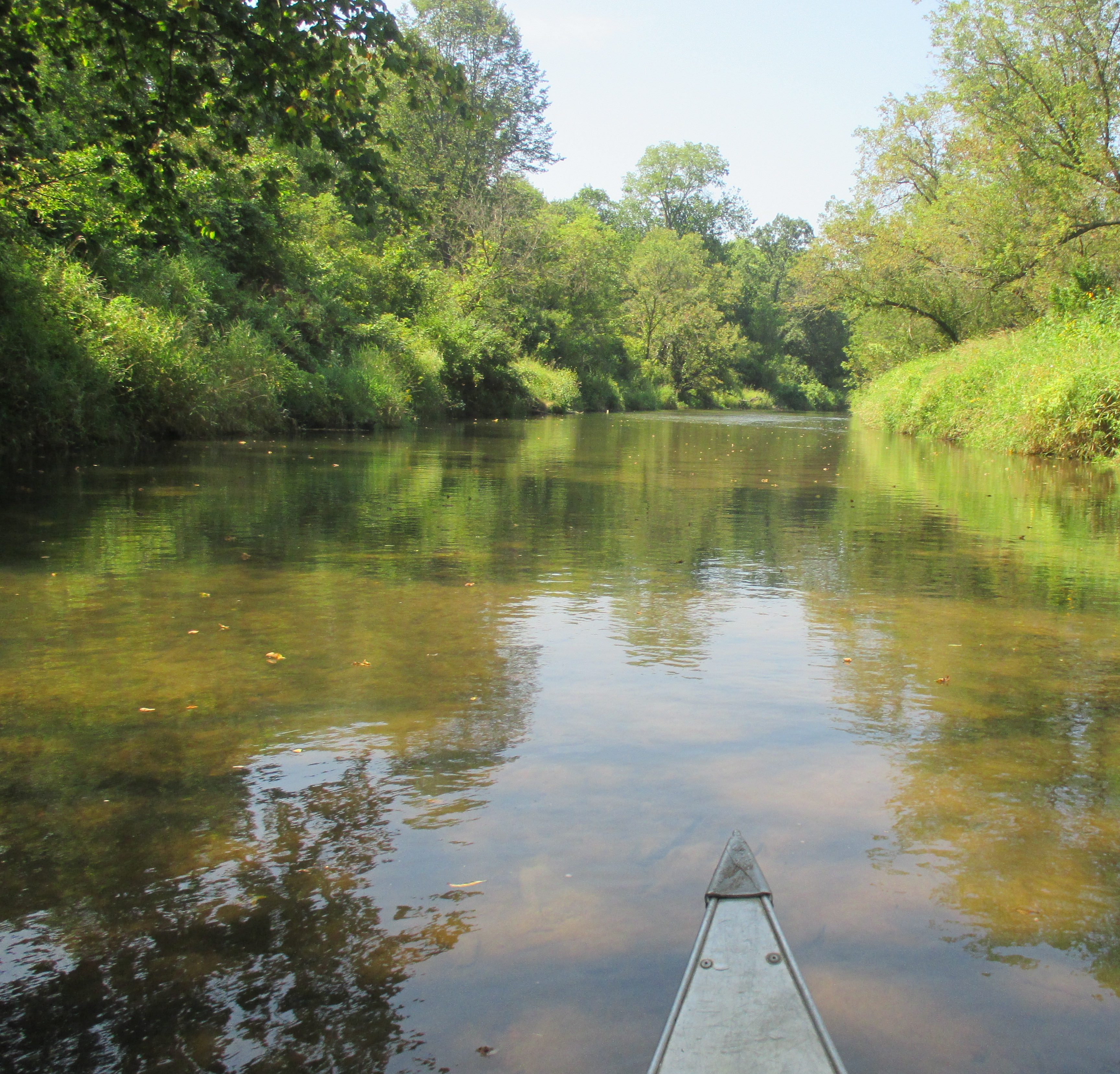
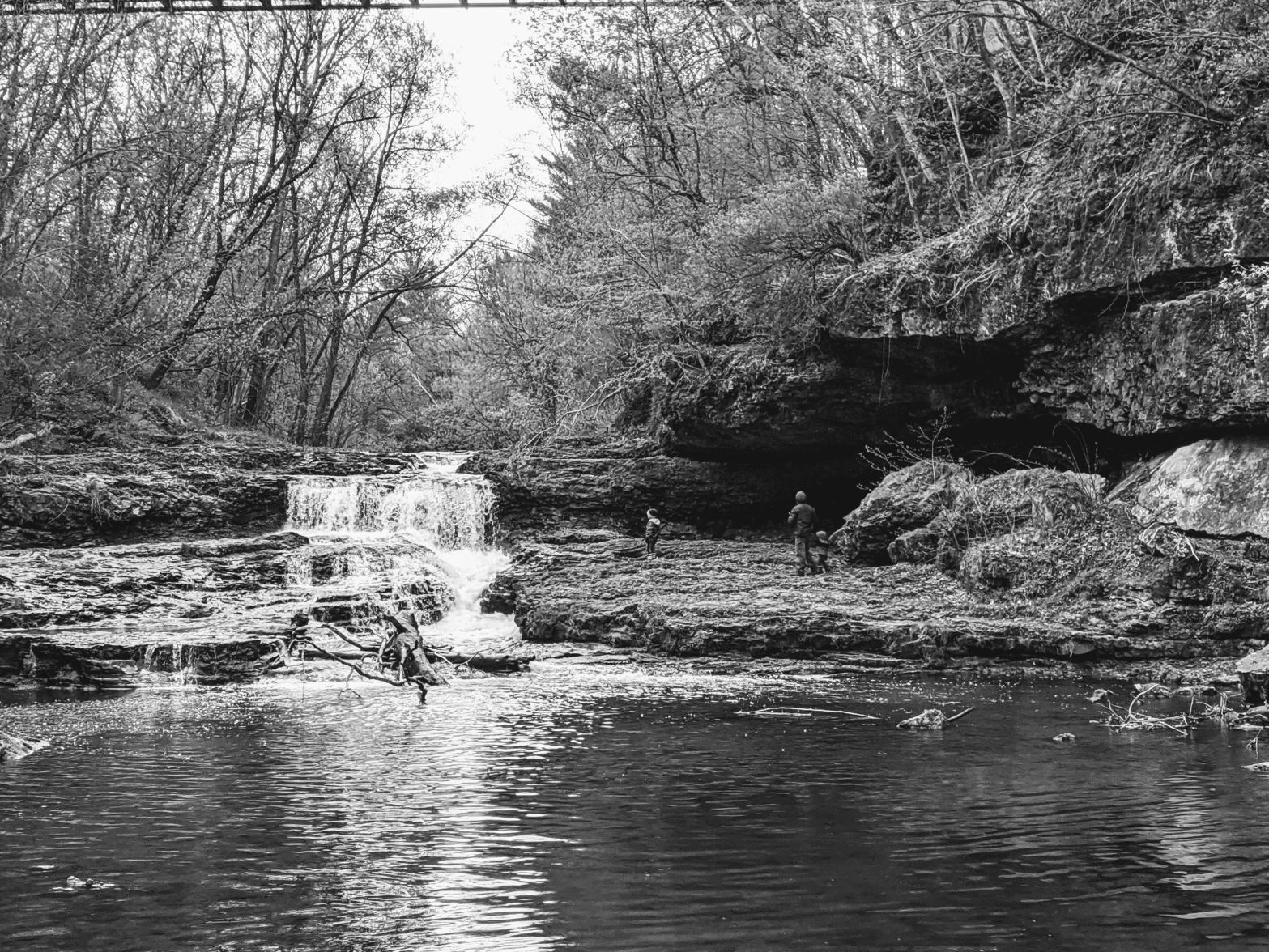
The stillness of that year,
captured in still frames,
plucks at my veins
like the IV needle.
We drive to the hospital,
to empty waiting rooms,
to masked faces
and empty eyes
to perdition,
or so it seems.

Still, that waiting room haunts me,
awakening masked emotions.
But time passes smoothly
through the eyes of a needle,
until the ghost of that year fades,
wavering in my mind's eye,
and I find calm
in the stillness.
This poem was written for the Wea’ve Written Weekly prompt #162. This was quite a powerful prompt to return to after a few weeks out of the W3 due to an overwhelming schedule. Still, I gave it a try! Below is all the information related to the prompt:
Mama’s Voice in the Kitchen, a poem by Bob Lynn
II. Bob’s prompt: “Echoes in Ordinary Spaces”
Part 1: Inspiration Piece
Read “Mama’s Voice in the Kitchen” carefully. It explores grief, memory, and how everyday spaces can hold powerful emotions. Pay attention to the use of domestic imagery, repetition, and a personal, authentic voice that helps create a sense of closeness with the reader.
Part 2: Guidelines
Write a poem inspired by “Mama’s Voice in the Kitchen.” Be sure to include both of the following elements:
a. Required Poetic Device: Repetition/Anaphora
Your poem must include deliberate repetition of a word, phrase, or sentence structure at least three times throughout the piece. This could be:
- The same word beginning multiple lines or stanzas
- A repeated phrase that acts as a refrain
- Parallel sentence structures that create rhythm and emphasis
Example from the inspiration piece: “keep cookin’”, “keep settin’”, “keep talkin’”
b. Required Word: “Still”
Your poem must incorporate the word “still” at least twice. This word can function as:
- An adverb indicating continuation (“I still remember…”)
- An adjective describing quietness (“the still morning”)
- A verb meaning to calm or quiet (“to still the waters”)
This word connects to the poem’s themes of persistence, memory, and the tension between movement and stillness in grief.
Additional Notes
- Your poem should explore how physical spaces hold emotional significance
- Consider writing in an authentic voice that feels personal and conversational
- There are no restrictions on length, form, or rhyme scheme
- Focus on creating vivid, sensory details that ground your emotions in concrete imagery
 Words and Coffee Writing
Thank you Sarah – this poem beautifully captures the weight of medical anxiety and the gradual journey toward eventual healing. Your use of ‘still’ creates a powerful tension between stagnation and peace, while the needle imagery masterfully connects physical and emotional pain. The progression from haunting hospital memories to finding calm feels authentic and deeply hopeful. Your voice is genuine and vulnerable, making this intensely personal experience universally relatable and emotionally touching. Truly exceptional and deeply moving creative work.
LikeLiked by 1 person
Thank you, Bob! I enjoyed your powerful prompt poem and this week’s prompt.
LikeLiked by 1 person
The calm stillness contrasts well with an underlying anxiety. Gentle and powerful at the same time.
LikeLiked by 1 person
Thank you!
LikeLiked by 1 person
“time passes smoothly / through the eyes of a needle” feels especially poignant to me, Sarah—the gentle echo of trauma and healing in those lines really caught me. I feel the calm you describe as earned, not assumed.
~David
LikeLiked by 1 person
Thank you, David ❤️
LikeLiked by 1 person
🤗
LikeLiked by 1 person
The calm and silence sound ungodly- and that in itself would be a precursor to ill fate. So well done.
LikeLiked by 1 person
Thank you, Violet!
LikeLiked by 1 person
This is like a held breath–beautiful. (K)
LikeLiked by 1 person
Thank you!
LikeLiked by 1 person
nice water place, i like it👍
LikeLiked by 1 person
Thank you!
LikeLike
Sarah the words weave a lovely net that captures the time and the worry present. All of it done up in such a soft way – a cashmere calm….💓
LikeLiked by 1 person
Aw, thank you for your beautiful words!
LikeLiked by 1 person
hi, Sarah 😍
Just wanna let you know that this week’s W3, hosted by our beloved Kim Whysall-Hammond for the very first time, is now live:
Enjoy❣️
Much love,
David
LikeLiked by 1 person
Thanks, David!
LikeLiked by 1 person
🤗
LikeLiked by 1 person
Sarah, knowing what you went through, this poem is a beautiful testament of your resilience. You combined vulnerability and strength to write such a compelling verse.
LikeLiked by 1 person
Thank you ❤️
LikeLiked by 1 person
My pleasure, Sarah. ❤️
LikeLiked by 1 person
Muri’s comment, “a cashmere calm” describes the feeling your poem evokes, beautifully. Your opening two lines, “The stillness of that year,
captured in still frames,” are cinematic. Your description of the needle is so powerful. 👏 And I love your photograph. 🥰 wonderful poem, Sarah.
LikeLiked by 1 person
Thank you so much! ❤️
LikeLike